
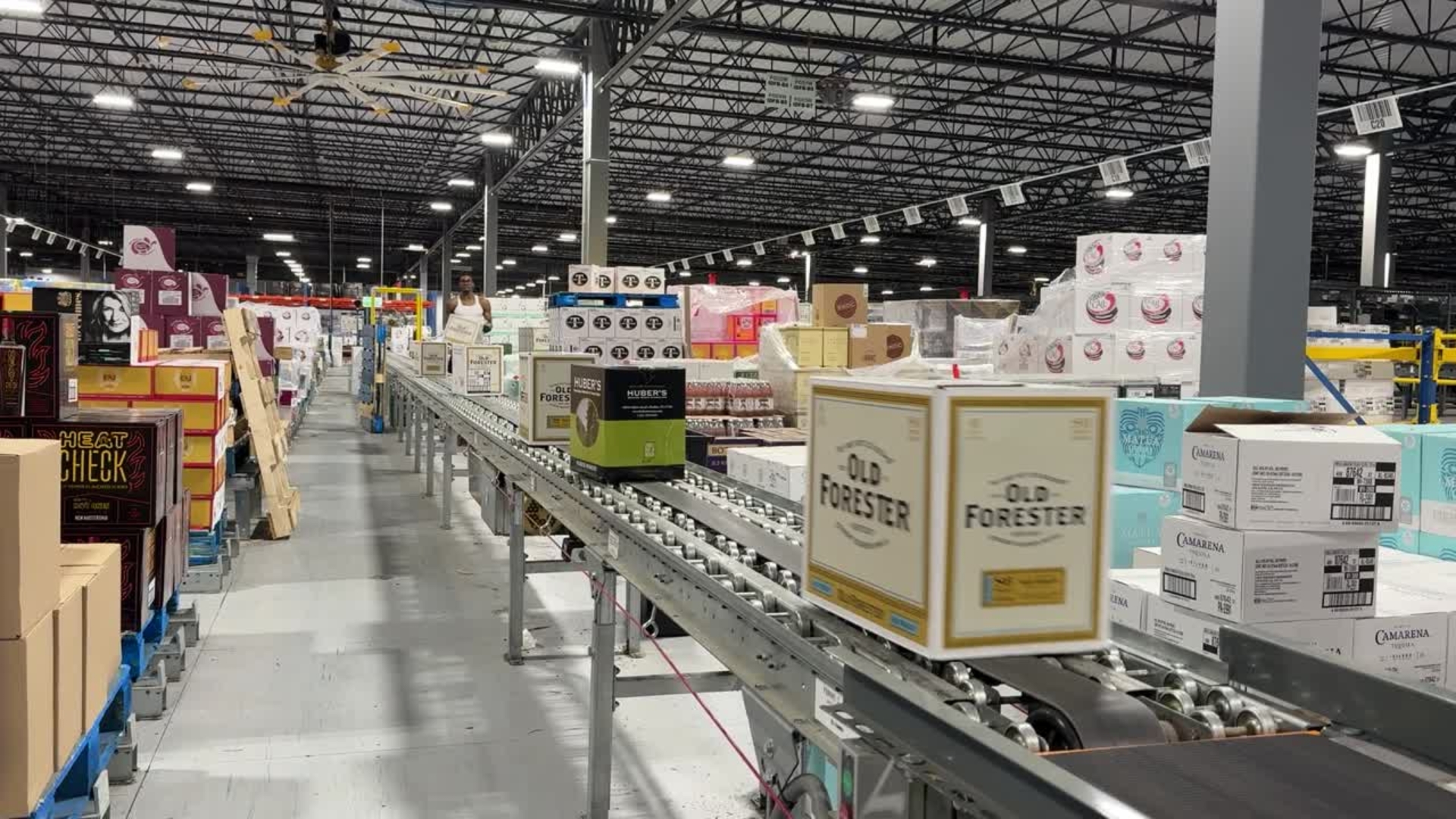
Efficiency and precision are paramount in the complex world of modern warehousing, making the role of a systems integrator incredibly important. For companies seeking to streamline operations, enhance productivity, and reduce costs, a warehouse integrator brings the expertise needed to seamlessly merge technology, equipment, and processes into a cohesive, high-performing system.
What is an Integrator?
A systems integrator specializes in designing, implementing, and managing interconnected systems to ensure they function together effectively. In the context of warehousing, a material handling systems integrator focuses on integrating various components such as conveyor systems, robotics, warehouse management software (WMS), and other automation tools. The ultimate goal is to create a synchronized system that optimizes workflow, minimizes downtime, and supports the business’s operational objectives.
The Role of a Warehouse Integrator
A warehouse integrator goes beyond simply supplying equipment or software. Their role encompasses:
- Needs Assessment and Consultation
Before any system is designed, a warehouse integrator conducts a thorough assessment of the client’s needs. This involves:
- Evaluating current workflows.
- Identifying bottlenecks and inefficiencies.
- Considering future scalability and growth.
The integrator’s ability to analyze these factors is critical to ensuring the solution meets both immediate and long-term goals.
- System Design and Planning
Once the assessment is complete, the material handling systems integrator develops a customized design. This includes:
- Selecting appropriate technologies and equipment.
- Mapping out the layout of conveyors, sorting systems, and storage areas.
- Developing software integrations to manage and monitor operations.
The design phase is where creativity and technical expertise converge to build a system tailored to the warehouse’s unique requirements.
- Technology Integration
A warehouse integrator ensures that disparate technologies work together harmoniously. For example:
- Integrating warehouse management systems (WMS) with automated guided vehicles (AGVs).
- Linking inventory tracking systems with sorting and picking robots.
- Synchronizing real-time data flow across platforms for better decision-making.
This level of integration eliminates silos and creates a unified system that enhances efficiency.
- Implementation and Testing
The implementation phase involves installing and configuring the system components. A systems integrator ensures:
- All hardware and software are correctly installed.
- The system is rigorously tested under various scenarios.
- Staff are trained to operate the new technologies effectively.
Testing is particularly crucial as it uncovers potential issues before the system goes live, reducing the risk of operational disruptions.
- Ongoing Support and Maintenance
A reliable material handling systems integrator offers ongoing support to ensure the system’s long-term success. This includes:
- Regular maintenance to prevent breakdowns.
- Upgrading systems as technology evolves.
- Providing troubleshooting assistance to address any challenges that arise.
This continuous support guarantees that the warehouse operates smoothly and efficiently over time.
Why Partner with a Warehouse Integrator?
Warehousing operations are increasingly complex, with high demands for speed, accuracy, and adaptability. Partnering with a warehouse integrator delivers several key benefits:
- Expertise Across Systems
Warehouse integrators possess deep knowledge of material handling equipment, software platforms, and operational strategies. Their expertise ensures that every component of the system is carefully selected and optimally configured.
- Cost Efficiency
While implementing a new system can be a significant investment, a systems integrator helps minimize unnecessary expenses by:
- Avoiding over-engineered solutions.
- Maximizing the utility of existing infrastructure.
- Streamlining implementation to reduce downtime.
- Scalability and Flexibility
A warehouse integrator designs systems with growth in mind. As businesses expand, these systems can adapt to handle increased volumes and accommodate new technologies, ensuring long-term value.
- Improved Productivity and Accuracy
By integrating advanced automation and data-driven tools, a material handling systems integrator enhances the warehouse’s overall performance. This translates to faster processing times, reduced errors, and a more efficient workforce.
- Reduced Operational Risk
A well-integrated system minimizes the likelihood of costly disruptions caused by equipment failures or software incompatibilities. It also allows businesses to adapt quickly to changes in demand or market conditions.
Real-World Applications
Examples of warehouse integration projects demonstrate the transformative impact a systems integrator can have:
- E-commerce Fulfillment Centers: Integrators streamline high-volume order picking and packing operations with advanced robotics, conveyors, and sorting systems.
- Distribution Hubs: Integrating automated storage and retrieval systems (AS/RS) with WMS enables rapid processing of inbound and outbound shipments.
- Cold Storage Facilities: Warehouse integrators design systems optimized for temperature-controlled environments, ensuring product integrity while maximizing space utilization.
Choosing the Right Warehouse Integrator
Selecting the right material handling systems integrator is critical to achieving your operational goals. Key factors to consider include:
- Experience and Track Record: Look for an integrator with a proven history of successful projects in your industry.
- Technological Expertise: Ensure they are well-versed in the latest material handling technologies and software solutions.
- Collaborative Approach: The best integrators work closely with clients to understand their needs and tailor solutions accordingly.
- Commitment to Support: Choose a partner who offers robust post-implementation support to maintain system performance over time.
The role of an integrator is indispensable in today’s warehouse environments. By bridging the gap between technology, processes, and people, a warehouse integrator empowers businesses to achieve unprecedented levels of efficiency and productivity. Whether you’re upgrading existing systems or implementing a new warehouse solution, partnering with an experienced material handling systems integrator is the key to staying competitive in an ever-evolving industry.

What is the first step before developing a customized design for a material handling system?
Their extensive experience and focus on tailored systems showcase a strong dedication to enhancing operational efficiency